years-experience access-alumni-network airfare airport-pick-up assistance-with-application-process community-service-placement continuous-support cultural-trips domestic-transport emergency-support field-trips global-competence-certificate grade-transcripts host-family-placement housing individual-contact-person internship-placement language-instruction meals medical-insurance orientations-during-your-time-abroad other pre-departure-orientation product-materials re-entry-orientation school-dipolma school-materials school-placement school-transport school-uniform stipend teaching-materials vaccinations visa-and-passport-fees visa-application-assistance world-wide-presence
Highlights: 

  • Study full-time in a local school with classes taught in Thai
  • Live with a Thai host family and experience authentic daily life
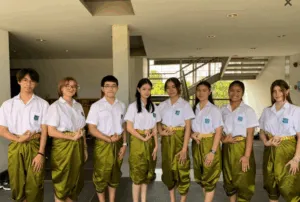
  • Wear a school uniform and join regular school activities
  • Improve Thai language skills through real-life immersion
Learn and experience differences by spending a year living and studying in Thailand. Staying with a typical Thai family and attend a local high school, uniforms are required and classes are lecture-style, with required courses in Thai as well as math, chemistry, physics, biology, PE, languages, art, etc. depending on each school curriculum. The cultural learning experience will be provided by AFS Thailand, the host school, and the host family.

Things to Know About Thailand

Thai people greet each other with a wai (pressing their palms together as they bow or curtsy) in order to show respect. You raise your hands higher and bow lower when you encounter someone of high stature, like a Buddhist monk. In Thailand the king and royal family are highly respected and it’s actually against the law to insult them! Thais try to live with a jai yen (a cool heart), so you won’t usually see them expressing extreme emotions. They also value the Buddhist principles of acceptance and detachment, which means they tend to be non-confrontational and easy-going.  Because of the country’s Buddhist history, many Thai people understand and accept dietary restrictions like vegetarianism.

What's included in your experience

  • Airfare
  • Airport Pick-up
  • Host Family Placement
  • Housing
  • Meals
  • School Placement
  • Medical Insurance
  • 24/7 Emergency Support
  • Domestic Transport
  • Re-entry Orientation
  • Global Competence Certificate
  • Teaching Materials

What you are responsible for

  • Vaccinations
  • School Transport
  • Visa and Passport Fees
  • School Materials
  • Project Materials
  • Stipend
  • School Uniform
Thailand

Your Accommodations

AFSers have lived all throughout Thailand, from the northern teak forests to the southern tropical beaches. You might end up in a regional capital or a small town, and your host family could live in a traditional rural home or a small city apartment.

Thailand-2

Your High School in Thailand

The Thai school year starts in May and ends in March, with a mid-year break in October. You’ll probably be enrolled in a public secondary school, but you could also attend a an all-boys, all-girls, or co-ed private school. You might even be enrolled in a specialized program like a technical, vocational, or art school. Your typical day will begin around 7:30 am and finish around 3:30 pm. In addition to subjects like math and science, most AFS students take cultural classes including language, history, and meditation. Other activities such as dancing, sword fighting, boxing, music, cooking, and arts & crafts might also be offered. As authority figures are highly respected in Thailand, you can expect to greet your teachers with a traditional wai. And on Wai Kru Day (Praise Teachers Day), it’s customary for students to honor teachers by offering them flowers and gifts.

Teenage Life in Thailand

Your Thai friends might invite you to sing karaoke or go shopping at night or weekend markets. Many people enjoy dancing, and American-style breakdancing is getting more and more popular among teenagers. A lot of students participate in sports like soccer, table tennis, badminton, volleyball, and basketball. They also might like playing Mahruk (a game similar to chess) or watching Muy Thai (Thai boxing) on TV. Other common activities include Tai Chi and aerobics, with people gathering in parks at dusk and dawn to practice in groups.Teenagers in Thailand also like to hang out in Internet cafés to meet people and play games. There are tons of different activities available, but as a student you’ll spend most of your time—and make most of your friends—at school.